Featured
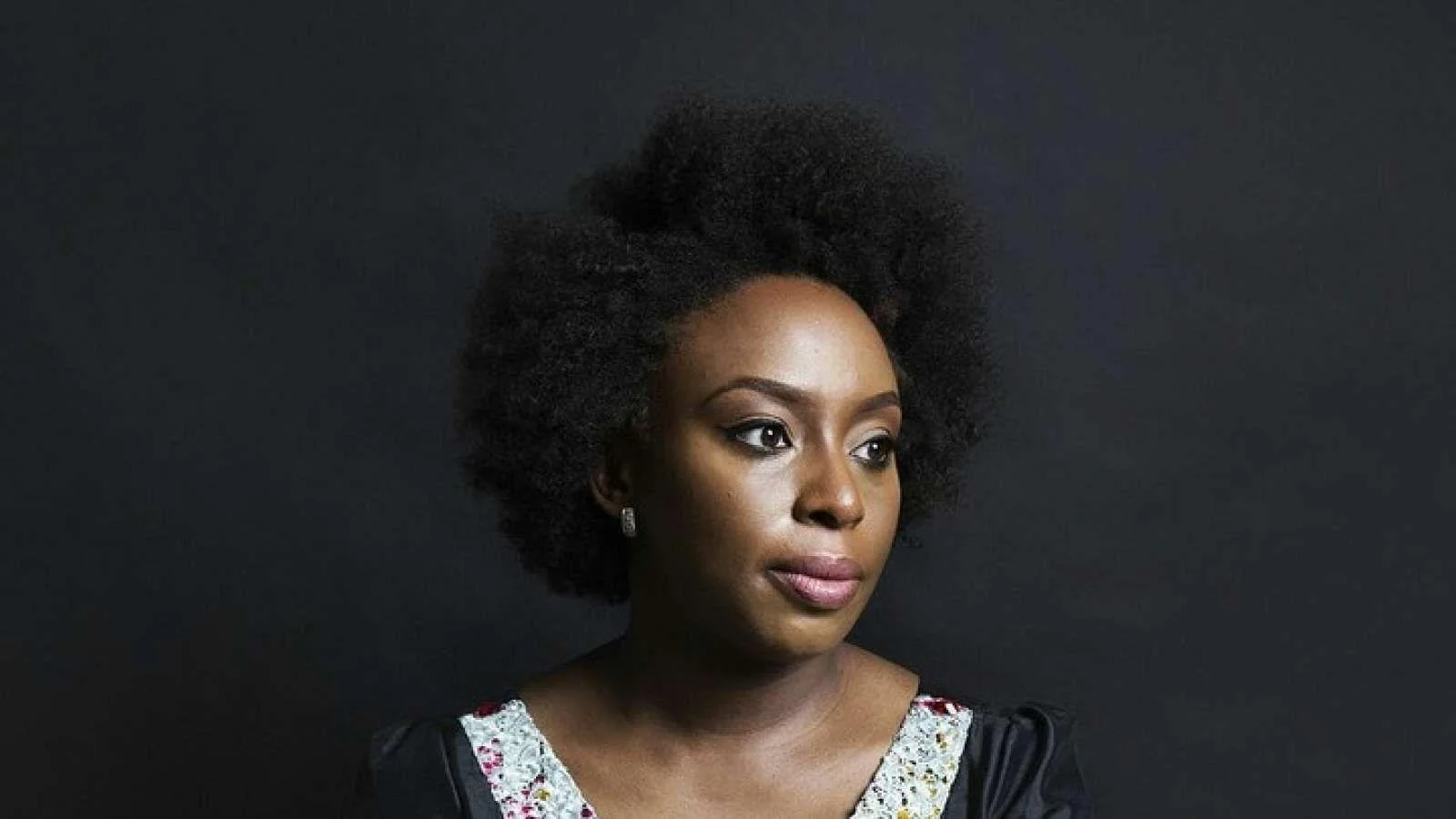

Adichie’s medical horror story is not unusual in Nigeria, where tales of gross negligence and incompetence abound.
Women lead the way in this historical novel set in eighteenth century Jamaica, which follows Lilith—the youngest and newest addition to the group of rebellion-plotting enslaved women who meet under the cover of darkness—as she strives to reach beyond the boundaries of the brutish life reserved for slaves on the sugar plantation of Montpelier.
For years, sexual harassers hid their predatory nature under their vocal but opportunistic support for women's rights, a heinous ploy that no longer seems tenable in the age of #MeToo.
Comedy is booming in Nigeria, having morphed from a side hustle in the mid-nineties to a serious, full-fledged business. But as with most male-dominated fields, the country's comedy scene has a misogyny problem.
“Life is a shipwreck, but we must not forget to sing in the lifeboats”
The knots in his stomach tightened again. Ehimen wished he were invisible so teachers would stop asking him to read or answer questions, sparing him from the derision of his classmates, who seized every opportunity to mock his American accent, his responses, or both. It was why he dithered before answering ‘papaya’.
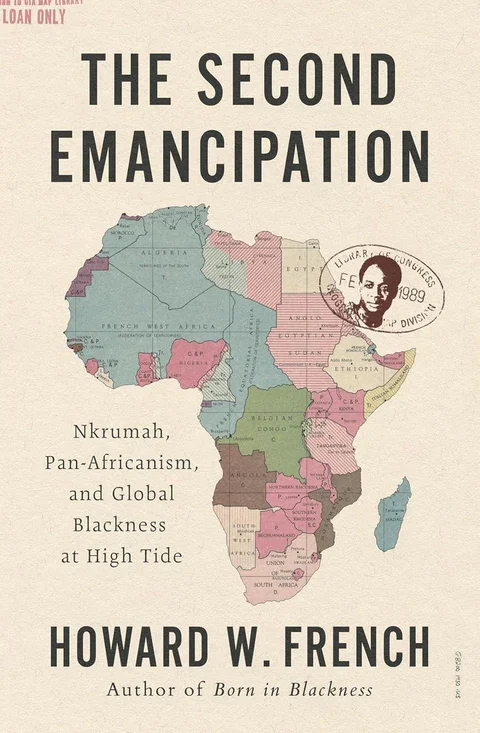
Blouin's autobiography is a delightful and harrowing account of her life as a Pan-African political strategist and adviser to African revolutionary leaders during and after colonial rule.
In piecing together a plotless narrative of unresolved dreams, with women who are adept at diagnosing each other’s flaws but incapable of training the same analytical gaze on their own experiences, Adichie has dutifully crafted characters that are messy and real.
Winner of the 2024 Orwell Prize for political fiction, My Friends is not your typical immigrant tale in which the protagonist ultimately finds a semblance of security, stability and peace in the bosom of their adoptive home. Here, rather, fear is a pervasive, palpable feature for exiled Libyan writers and dissenters.